

Core Argument
The most valuable outcome for a brand when executing events is to identify cultural currents aligned with its strategy and then give that culture a platform. Within that platform, the community members generate cultural capital, which is then transformed back into brand association
Project Catalyst
The Casual Explanation:
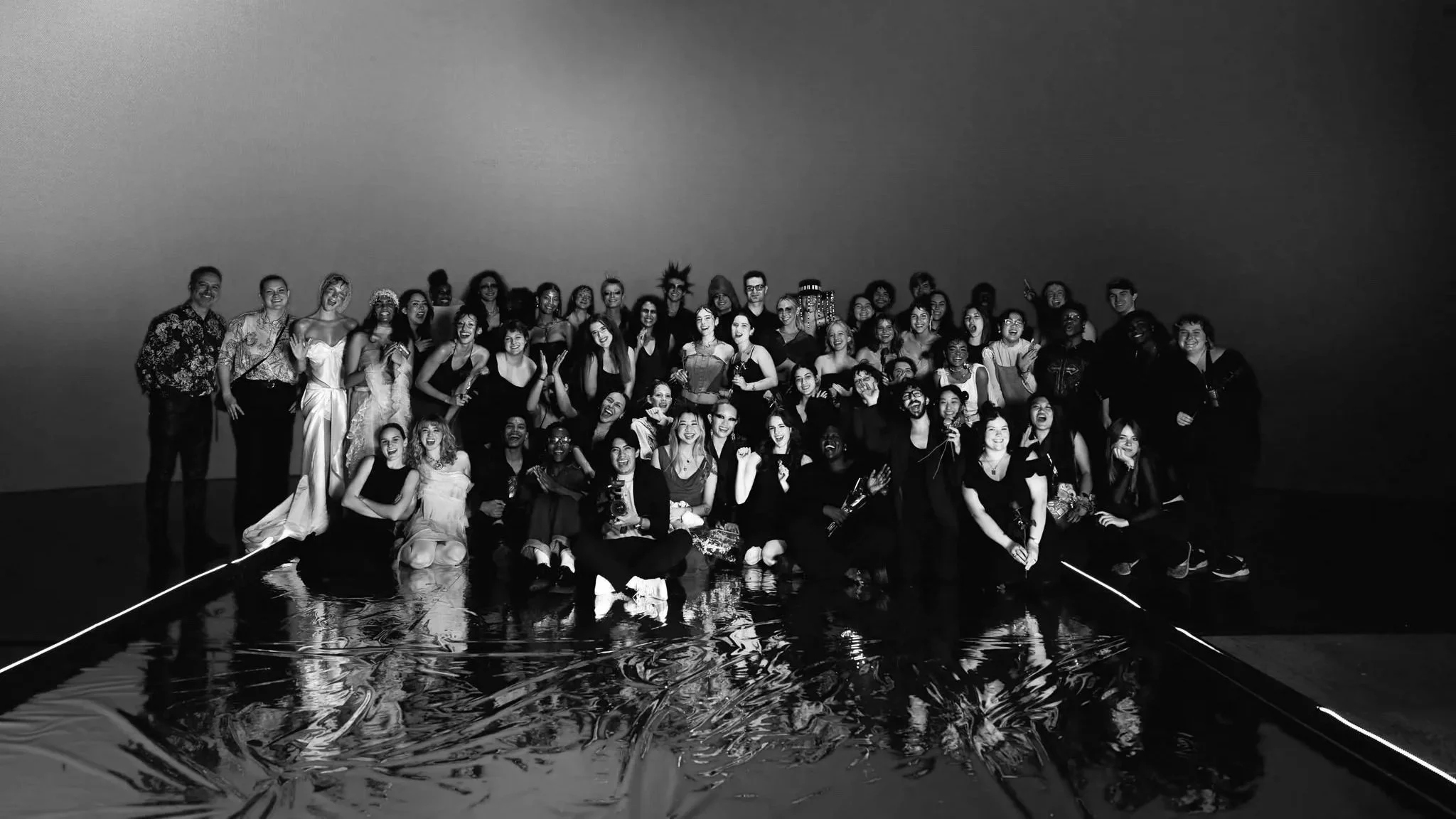
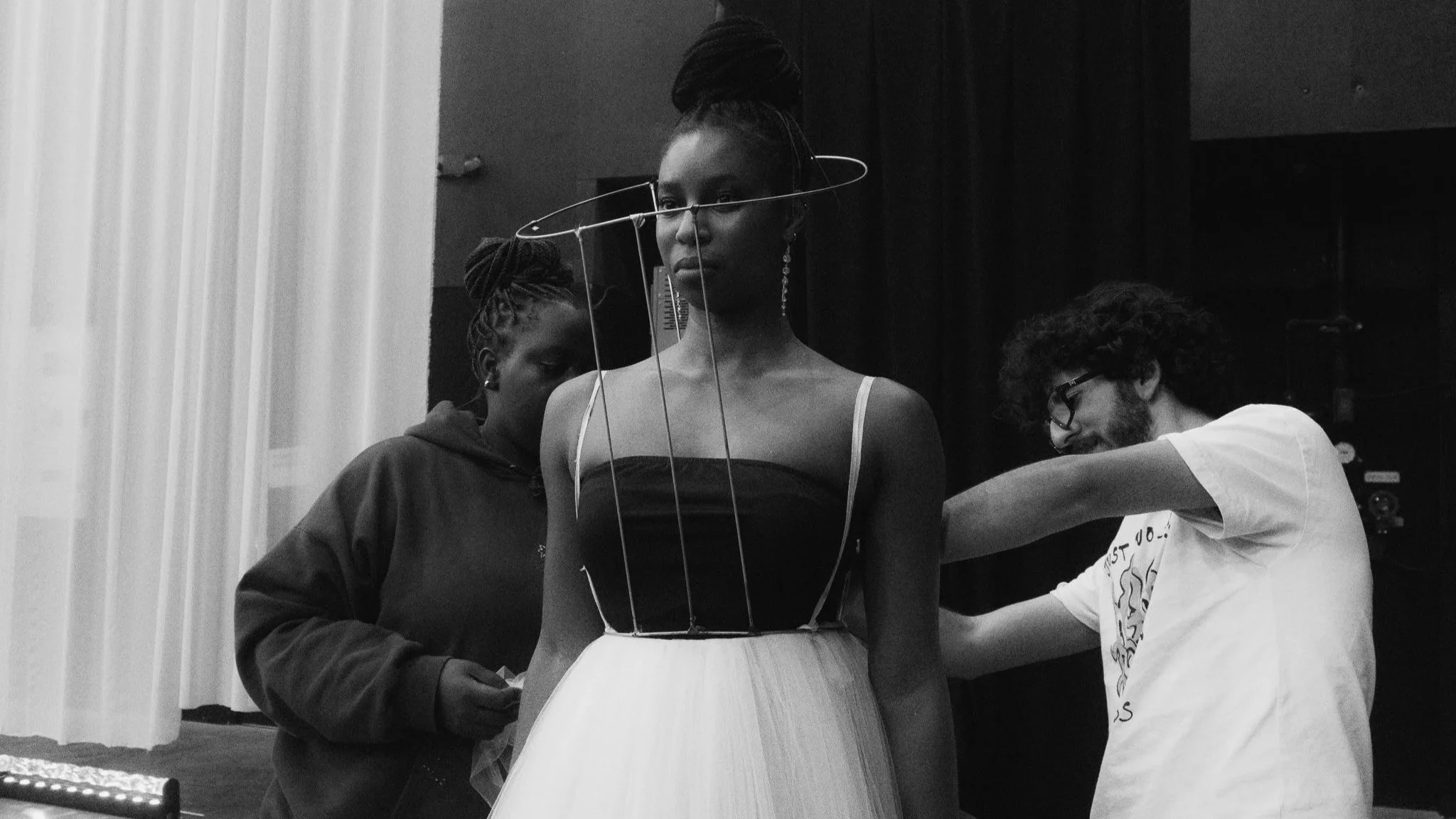
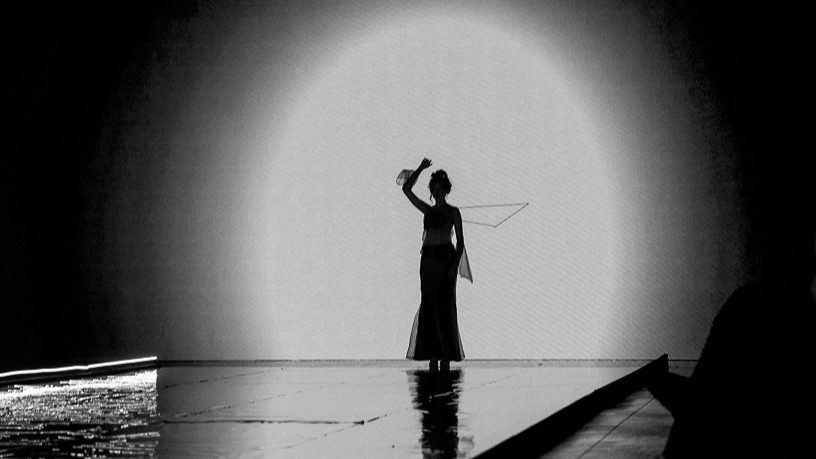
How might we, as strategists and designers, build impactful branded events and create sustainable communities through immersive experiences? Reflecting on what made the Genesis Fashion Show, my goal was to explore this question from an academic perspective.
This project began with interviews with industry professionals and ultimately led to the development of my own creative philosophy, centered on community, authorship, and symbiotic relationships among all parties involved.

The Academic Explanation:
My thesis positions itself at the intersection of art direction, event production, and cultural research, exploring how the next generation of audiences, particularly Gen Z and Gen Alpha, engage with immersive experiences. Through theoretical inquiry and applied experimentation, I aim to define a methodology and a system for crafting environments that are culturally relevant, environmentally friendly, and strategically designed.
Why is this relevant?
79%
Of Gen Z say brand trust matters more than ever
Edelman, 2023
$12T
Gen Z projected spending power by 2030
NielsenIQ & World Data Lab, 2024
18%
Of organisations use brand to inform experience strategy
Motta-Filho, 2021
The Findings
The Findings
Research Foundation
Pine and Gilmore’s “The Experience Economy” publication is the core of my research. They define the progression of economic value as such:
Commodity → Good → Service → Experience → Transformation
Ultimately, my research findings led to the creation of a new framework that builds on Pine and Gilmore’s progression model, focusing on the transformation aspect and moving it from an individual to a community level, renaming the apex of the progression “Collective belonging.”
The framework includes 5 key principles that address how events and experiences can build intentional worlds that create communities with lasting impact.
Source: Welcome to the experience economy (2009, revisited 2011)
The 5 principles
Five principles, born from research and observation, that guide intentional world-building
1 - Cosmology
2 - Authorship
3 - Cultural Rooting
4 - The Arc
The founding premise: a concise sentence outlining the core beliefs, principles, and purpose of the world being built.
5 - The Ecosystem
Every decision is a position. What you refuse speaks as clearly as what you include.
Where does this world come from? Borrowed or inhabited?
Does the world outlast the room?
How does the experience unfold across all touchpoints?
What is collective belonging?
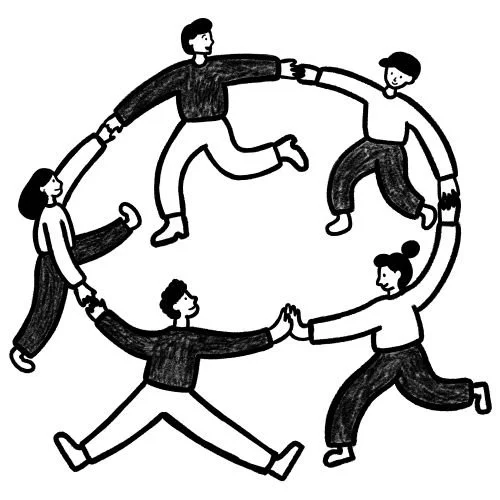
Collective belonging is the condition in which the experience becomes the founding event of a community that forms organically from it, recognizes itself in retrospect, and carries a shared reference that precedes any other relationship among its members.
Collective Belonging is the infrastructure for forming ecosystems.
Illustration by: Stephanie Wunderlich

Regenrative Not Extractive
An ecosystem is regenerative. It gives back more than it takes. It deepens the cultural communities it draws from. It creates conditions for the next generation of makers and participants to form and flourish.
KIDSUPER
One of the core case studies behind the thesis project. High fashion is an inaccessible and elitist form of commodified art that is yet accessible and influences the world around us. I was fascinated by how Kidusper approached that space, giving it back to the people and centering it around community.

JAIPUR RUGS
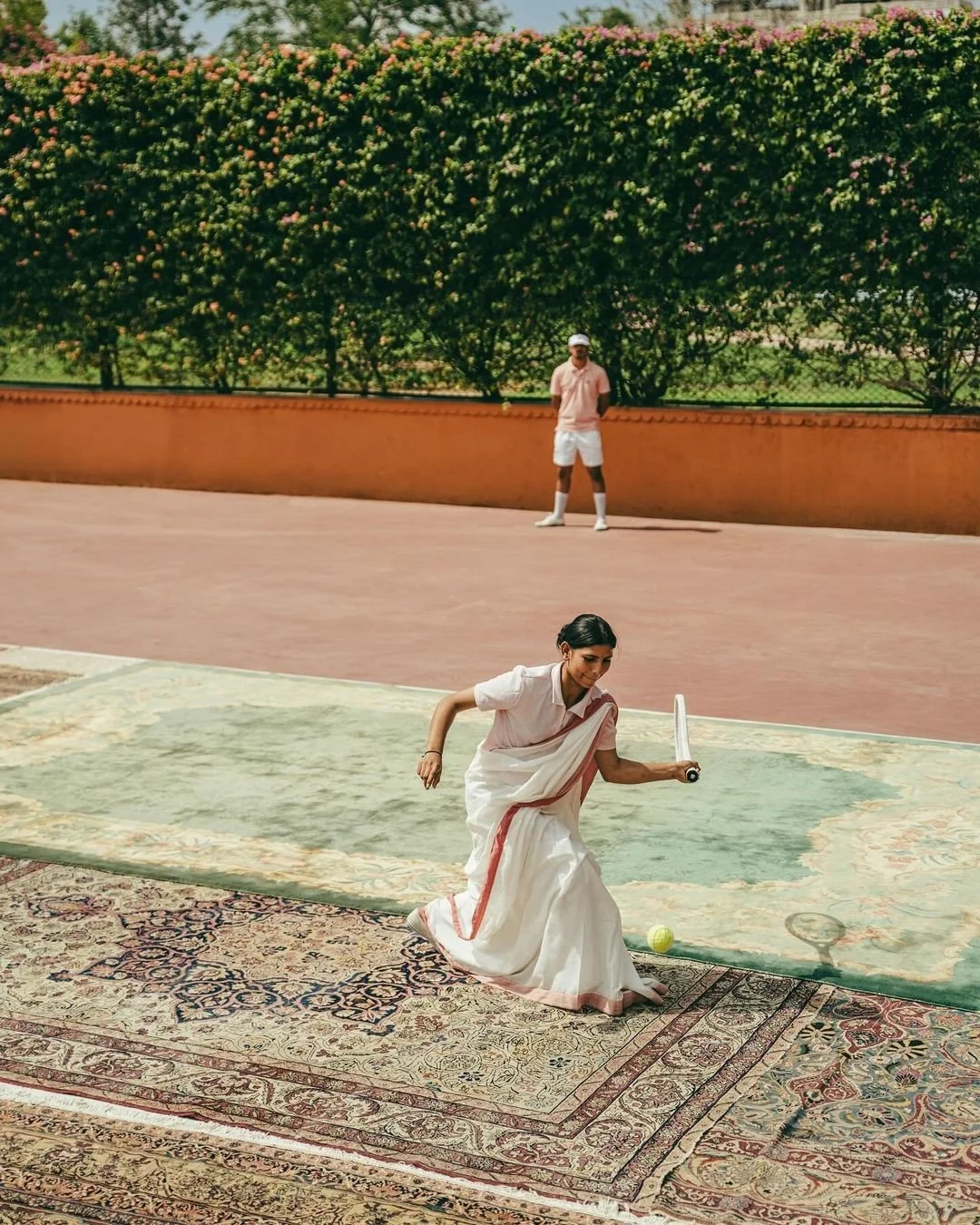
Jaipur Rugs is a reputable example of this philosophy's regenerative ecosystem. The community referenced is the one building the product; cultural knowledge is living and owned by the people who hold it.
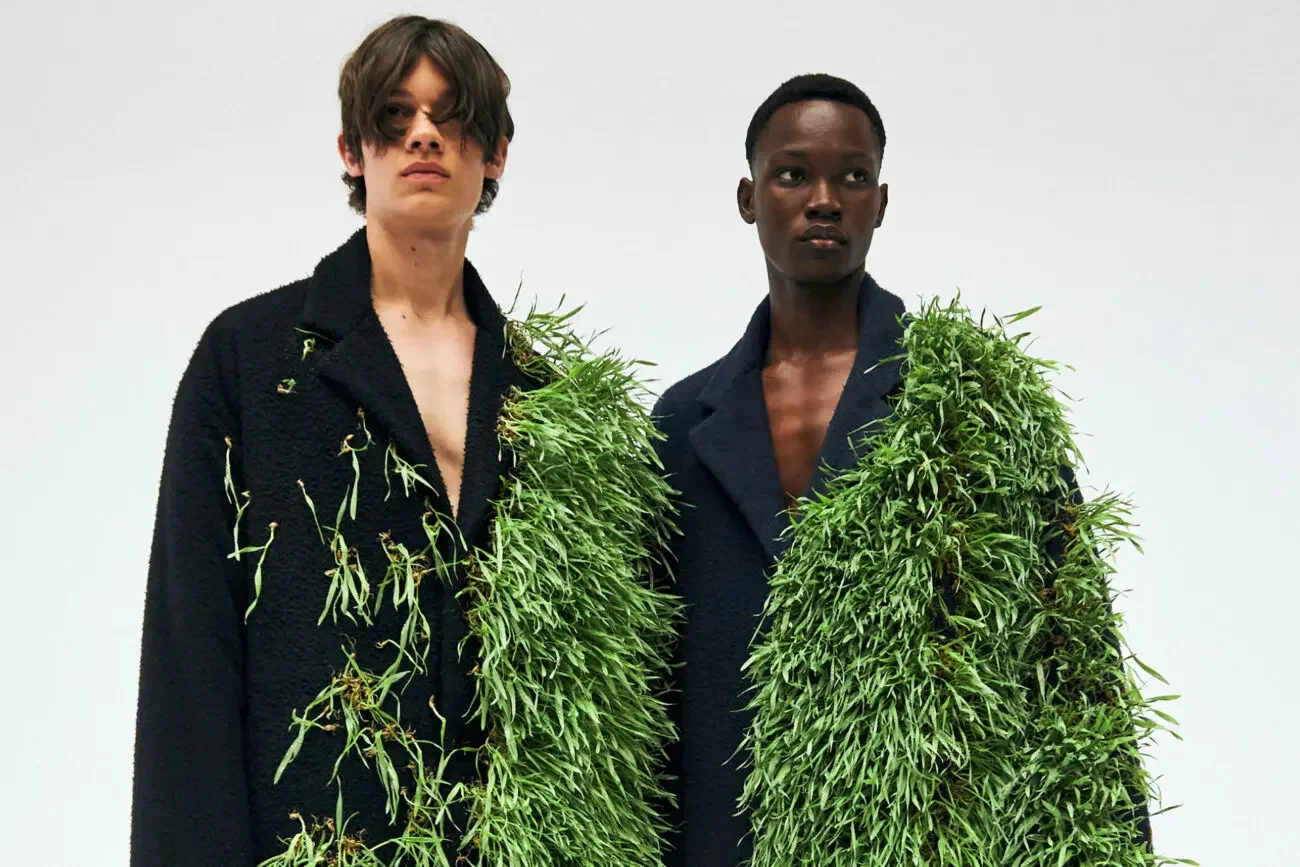

LOEWE
One of the prominent cases for world-building. Anderson at Loewe began with a question: What does Loewe actually believe? This governed all elements from show sets to packaging to show notes written as genuine cultural essays.
The most valuable outcome for a brand when executing events is to identify cultural currents aligned with its strategy and then give that culture a platform. Within that platform, the community members generate cultural capital, which is then transformed back into brand association.
T
L
D
R
T
L
D
R
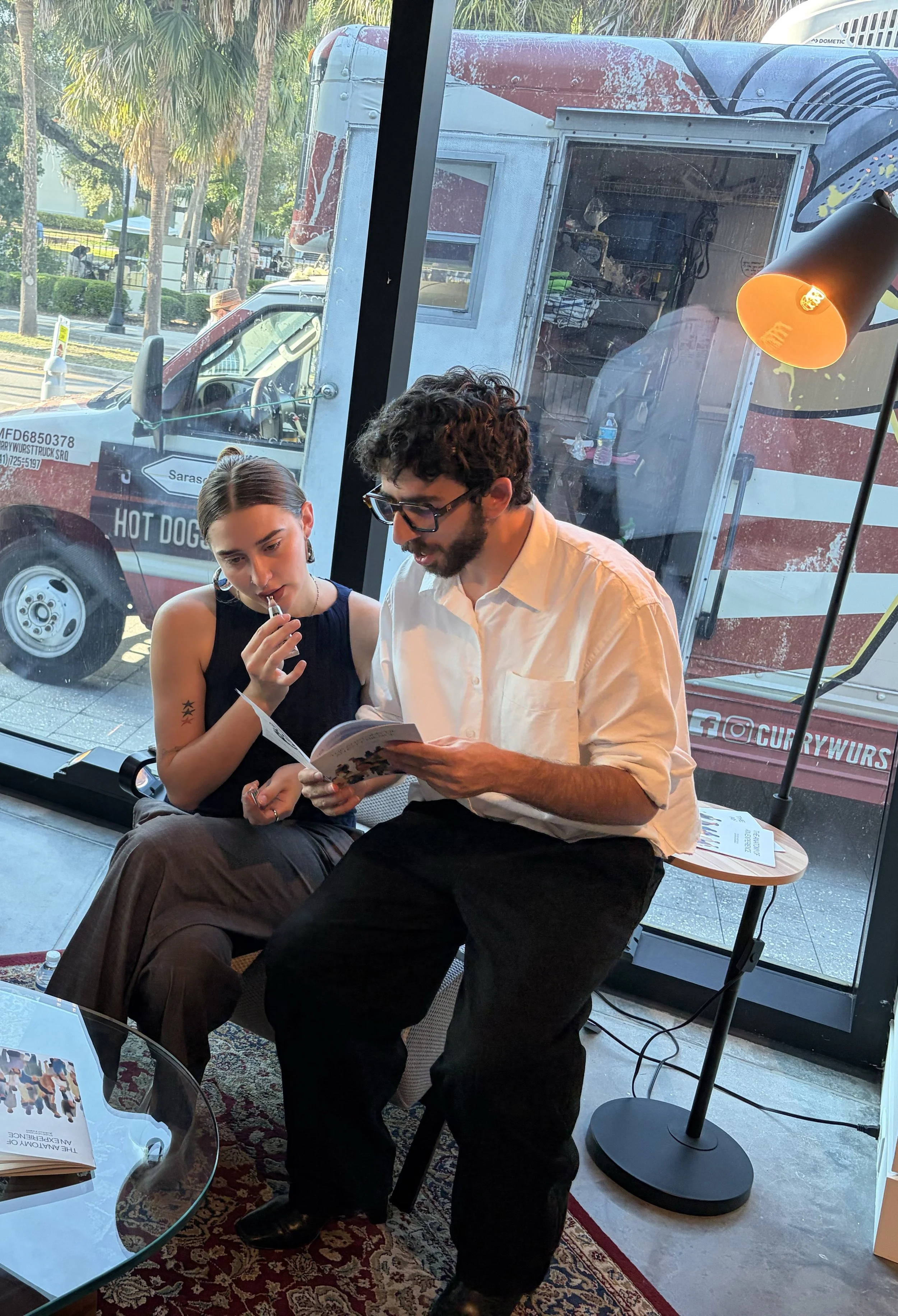
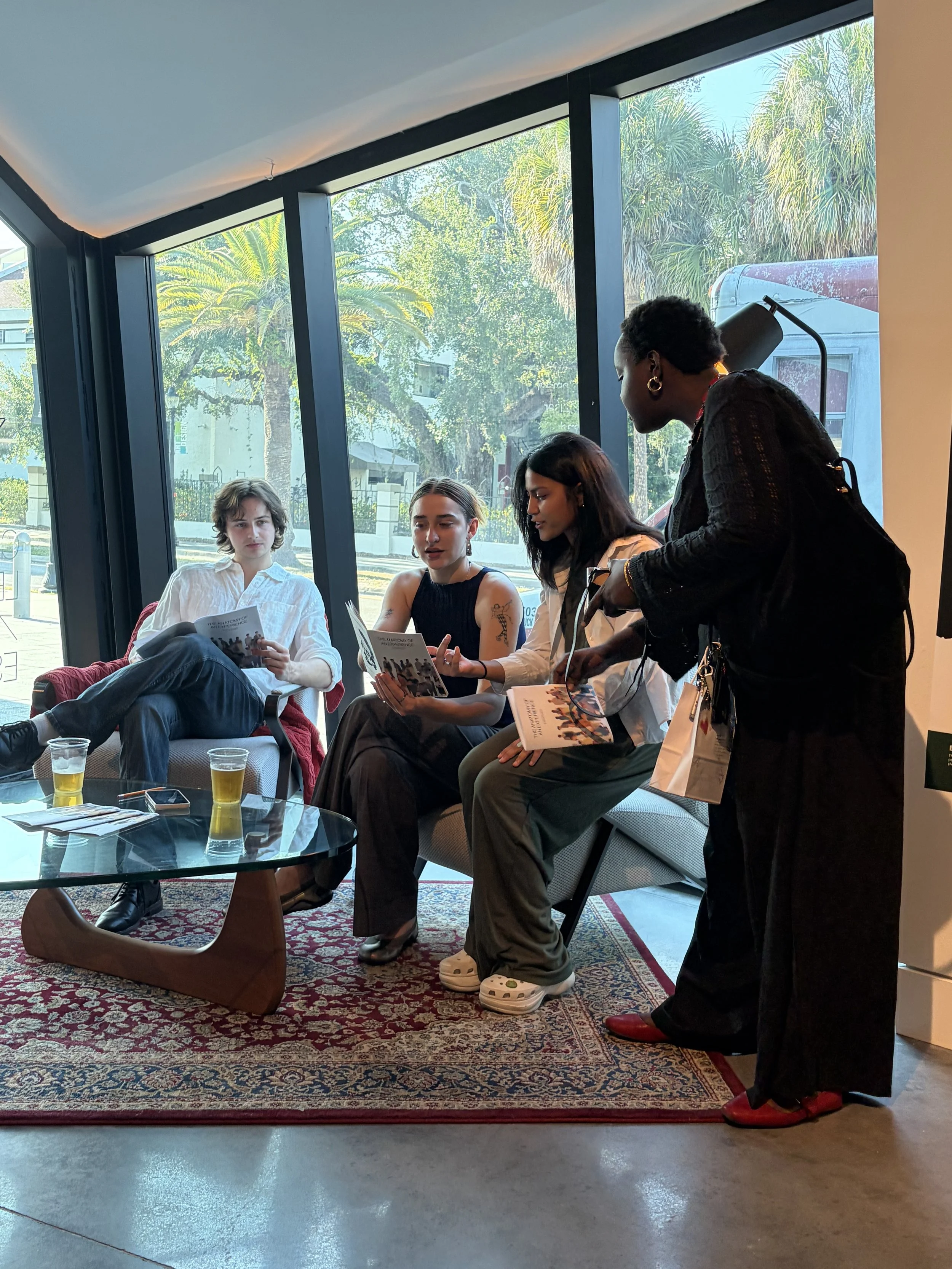
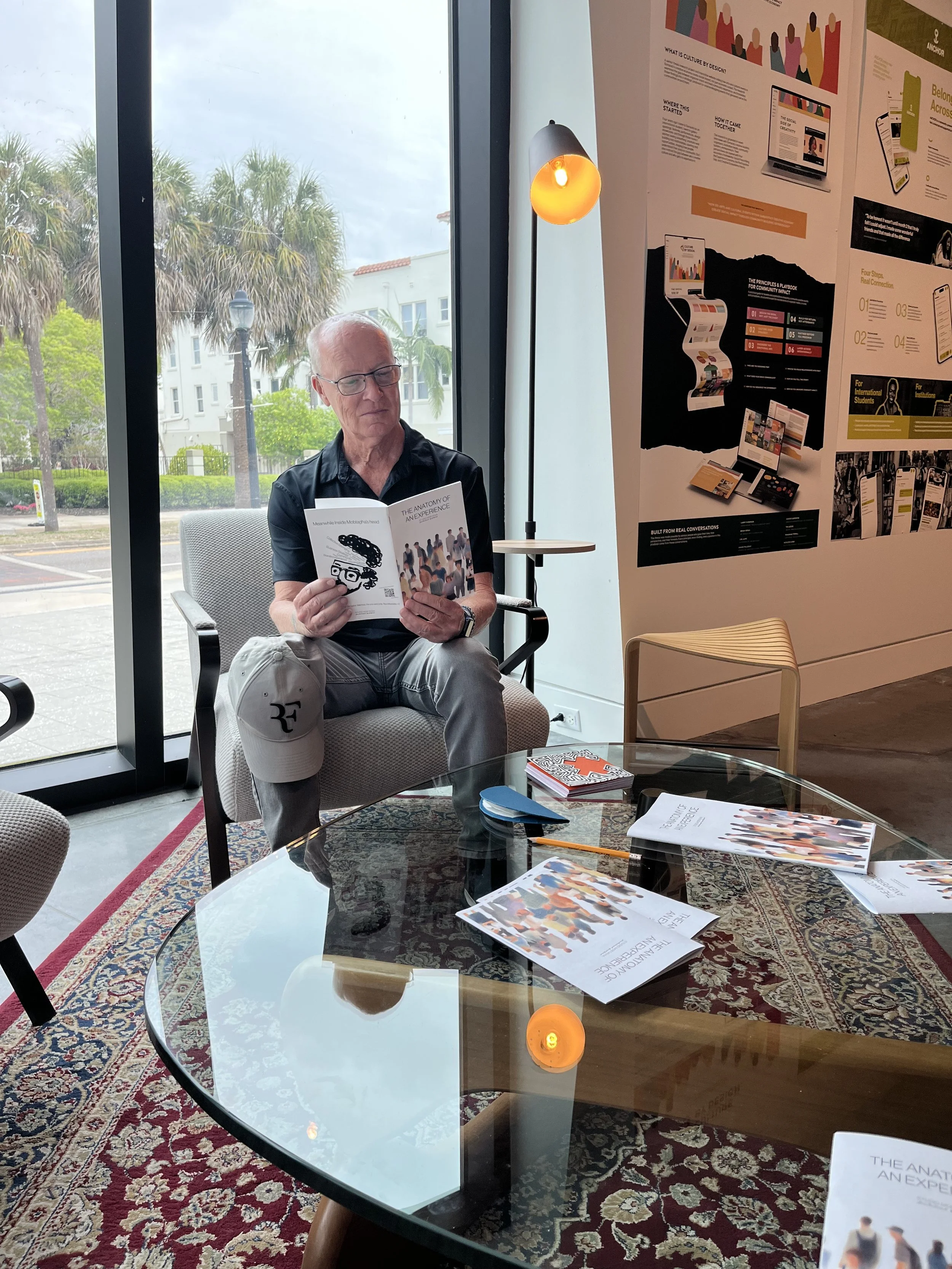
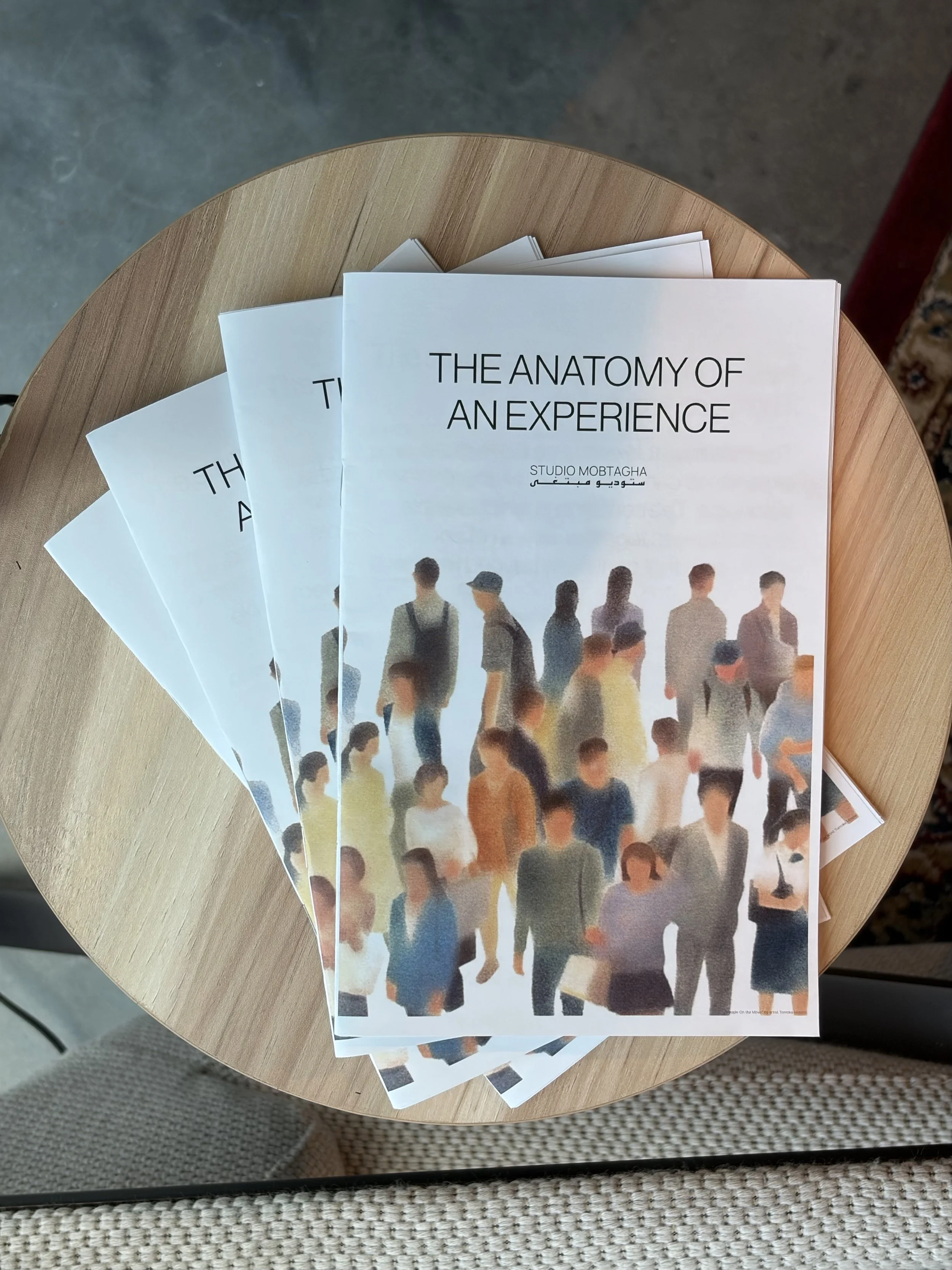
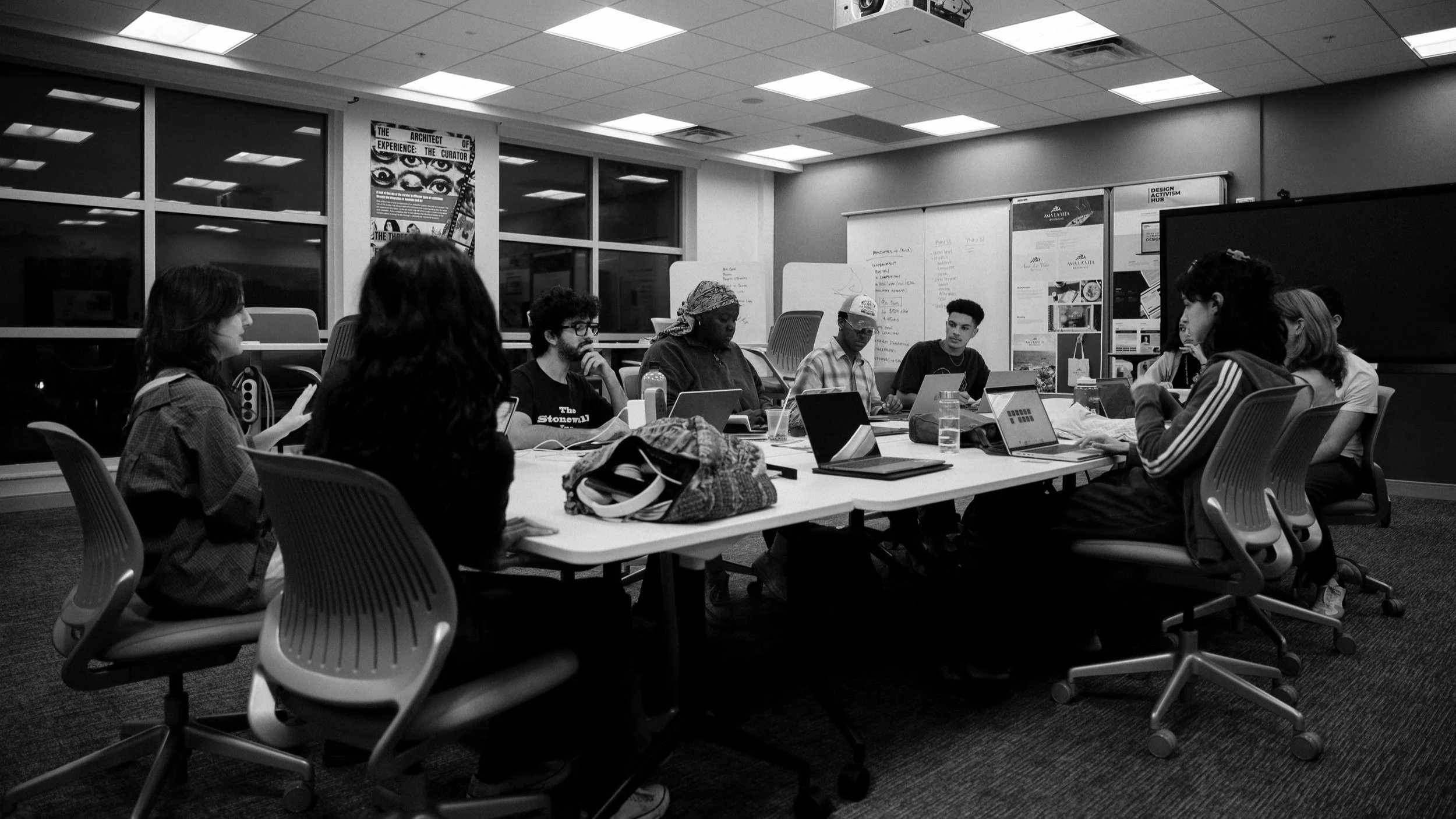
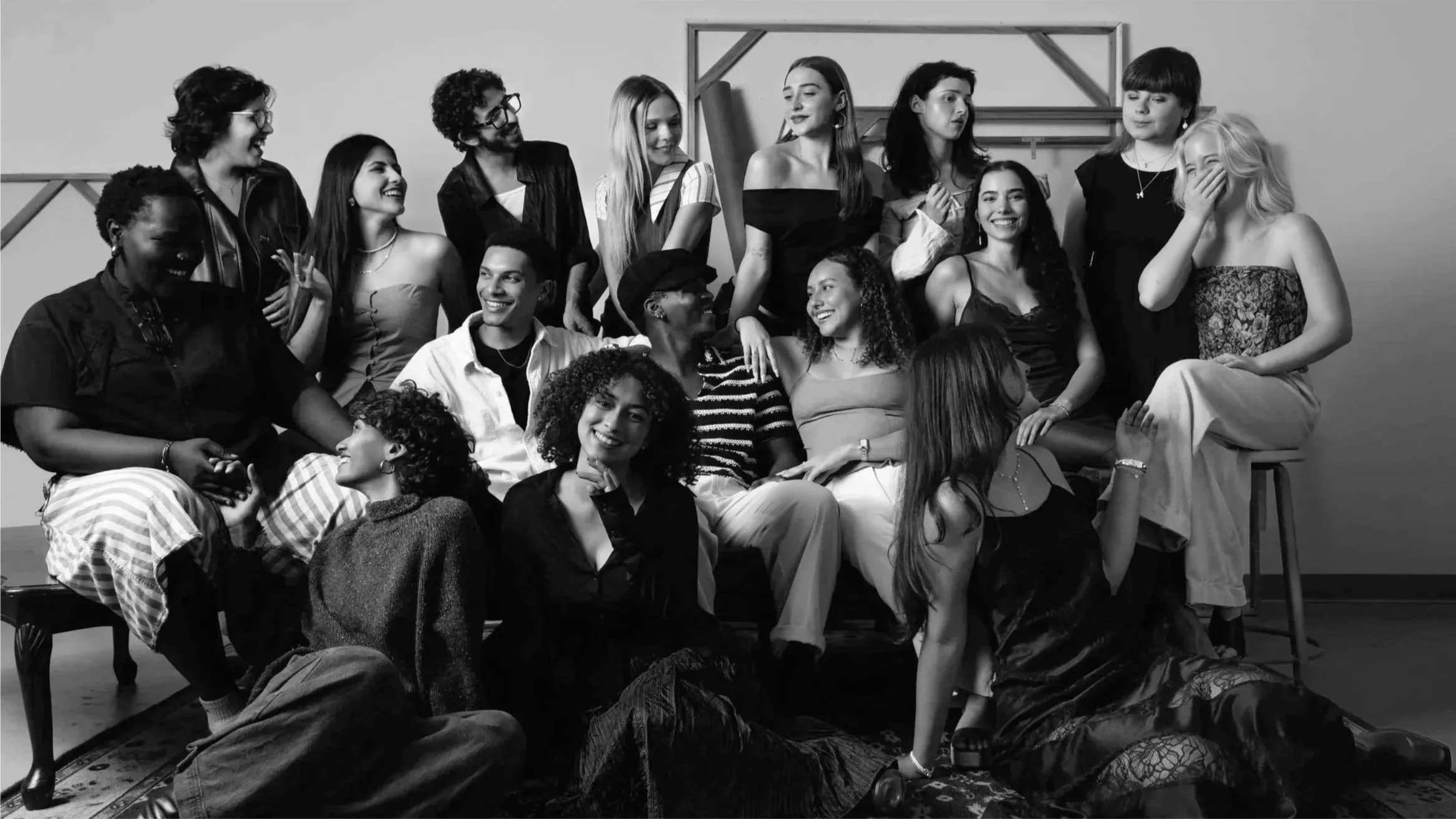
The People Who Shaped and Inspired This Philosophy
Elijah Hatem - Nike
Senior Creative Producer
Yohannan Terrell - CFA
Columnus Fashion Alliance Founder
Tia Kassim - Universal Studios
Set Designer
Samantha Balikowa - Anchor
Founder & Community Strategist
Amanda Caldrea - TAIT
Package designer
Anabella Bergero - RCAD
Creative Enterpreneur
Alfredo Rivera - Meow Wolf
Senior Producer
Kathleen Sobr - RCAD
Thesis Supervisor
+ Plus 57 survey respondents across 6 regions.